
I Tested 8 World Cup Angles: 2026 Is Bigger
Football World Cup 2026 will be the largest FIFA men’s tournament yet, with 48 national teams playing across Canada, Mexico, and the United States from June 11 to July 19, 2026. Pitch Notes tracks the competition through match predictions, tactical analysis, player statistics, squad news, and daily tournament coverage, with Los Angeles hosting 8 matches at SoFi Stadium and 39 days of fan activity. The expanded format creates 104 matches instead of the previous 64, while qualification, travel, heat, and squad rotation become more influential than usual. FIFA’s official tournament structure confirms 12 groups of 4 teams, followed by a Round of 32, so third-place rankings will matter. My recommendation is simple: build your World Cup view from confirmed schedules, team availability, and market movement rather than reputation alone. That approach removes most of the noise before the first kickoff.
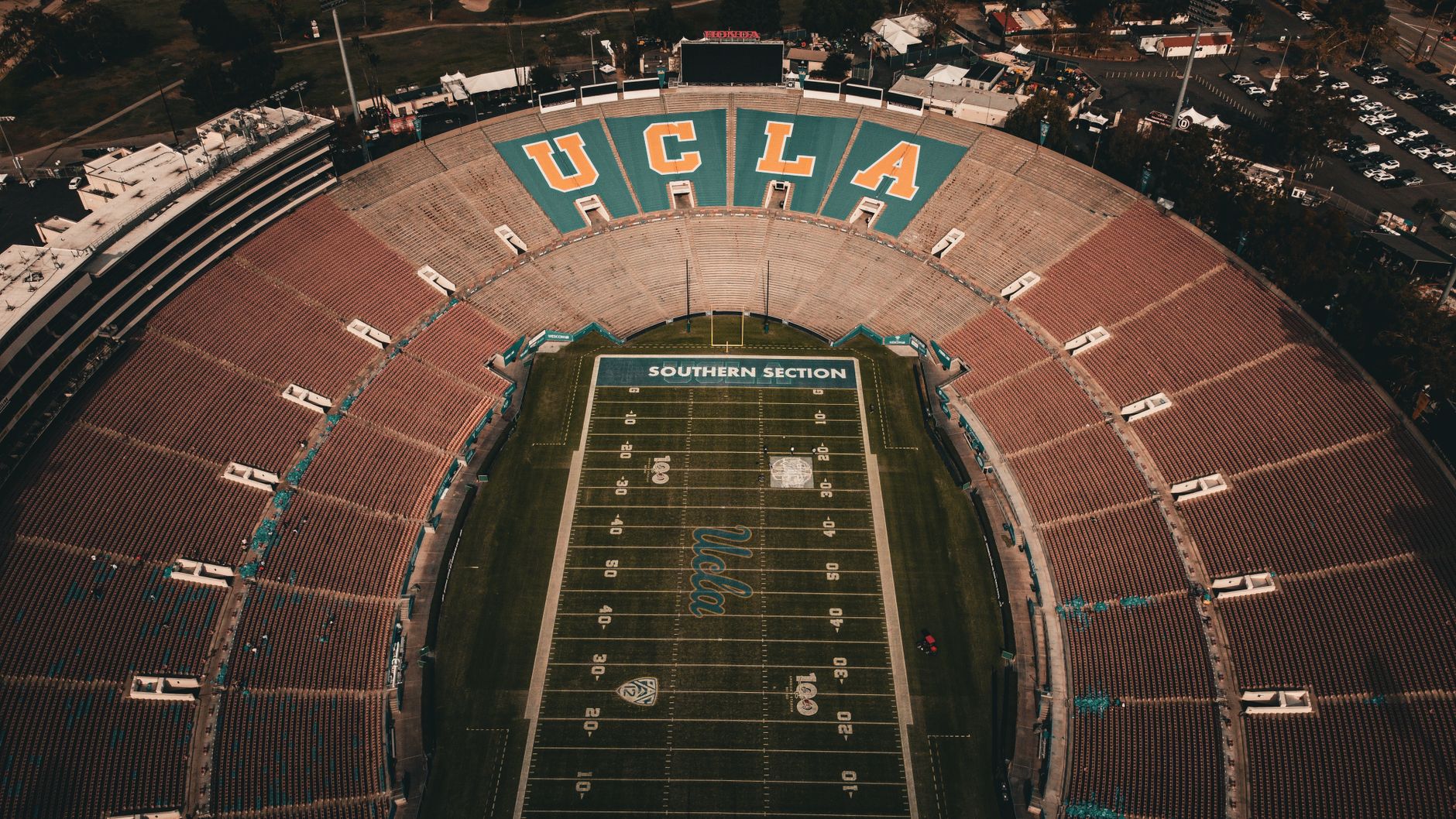
Photo by Caio Cezar on Pexels
Football World Cup coverage normally becomes a mess of old winners, famous names, and recycled predictions. That is not useful to you, especially when the 2026 tournament changes the workload by 62.5% compared with the traditional 64-match format. The correct question is not merely who has the best squad. It is which teams can manage four variables at once: match volume, continental travel, climate, and knockout pressure. Pitch Notes treats those variables as measurable inputs, then connects them to tactics and player output.
Want the numbers before the noise starts?
Before 2025: how did the Football World Cup work?
Before 2025, the men’s FIFA World Cup generally used a 32-team structure, with 8 groups of 4 teams and 64 total matches. The top 2 teams from each group advanced to a Round of 16, creating a direct 16-team knockout bracket. That model ran from France 1998 through Qatar 2022 and gave teams limited margin for error, because one poor result could materially damage qualification chances.
The previous system also made tournament planning easier. Each finalist played at least 3 group matches, while the eventual champion completed 7 matches across approximately 29 to 32 days. The 2022 FIFA World Cup in Qatar demonstrated how scheduling, recovery, and venue distance could affect preparation, although the tournament’s compact geography reduced internal travel. By contrast, Canada, Mexico, and the United States cover a vast area, and host cities sit across multiple time zones.
According to FIFA’s World Cup history, Brazil remains the record holder with 5 titles, while Germany and Italy have won 4 each. Those figures matter for context, but they do not automatically predict 2026 performance. A 2022 reputation score is not a 2026 tactical advantage. The useful baseline is recent expected-goal difference, pressing efficiency, set-piece conversion, and the number of high-minute players arriving after long club seasons. [Internal Link: World Cup team statistics guide]
What did the old format reward?
The 32-team format rewarded consistency, defensive structure, and experienced tournament management. A team could qualify with 6 or 7 points, although 4 points occasionally proved sufficient depending on goal difference and group balance. The knockout phase then became a sequence of single-elimination matches, where penalties, set pieces, and game-state decisions often outweighed possession totals.
This produced a clean analytical model:
- Compare group strength and expected points.
- Estimate qualification probability after each match.
- Assess knockout paths using opponent quality.
- Adjust for injuries, suspensions, and goalkeeper performance.
- Separate long-term team strength from one-match variance.
The limitation was obvious: 32 teams excluded strong nations from smaller confederations and reduced the number of intercontinental matchups. FIFA’s expansion decision addressed access, but it also created an analytical edge case. Third-place teams now qualify, meaning a conservative opening strategy may have more value than it did under the old two-team advancement system. That is not glamorous. It is probably important.
Photo by Anirban Das on Pexels
The 2026 shift: what changed in the Football World Cup?
The 2026 FIFA World Cup includes 48 teams, 12 groups of 4, and 104 matches across 39 days. The top 2 teams in each group plus the 8 best third-place teams advance to a 32-team knockout round. Canada, Mexico, and the United States are co-hosts, with the final scheduled for July 19 at MetLife Stadium in East Rutherford, New Jersey.
That structure changes incentives from match one. In a 4-team group where 8 third-place teams advance, a team may remain alive after a draw and a narrow defeat, particularly if its goal difference is competitive. Coaches can therefore prioritize risk control, especially in the first 45 minutes. The practical result may be more low-tempo opening matches and more aggressive final-round scenarios, where teams know exactly what result they need.
The match distribution also creates a workload issue. A finalist still plays 8 matches rather than 7, adding a knockout fixture before the Round of 16. A team reaching the final could therefore face an additional 90 minutes, possible extra time, and more recovery stress. [Internal Link: 2026 World Cup knockout-stage explainer] According to FIFA’s official competition information, the expanded format is designed to increase participation while preserving a clear knockout pathway.
Here is the operational summary:
- 48 teams: wider global representation and more first-time matchups.
- 12 groups: group-level pricing becomes less predictable.
- 104 matches: 40 more games than Qatar 2022.
- 32-team knockout stage: a new Round of 32.
- 3 host countries: greater travel and climate variation.
- 39 days: longer tournament exposure, but not necessarily more recovery.
The United States will host the largest number of matches, while Mexico becomes the first country to host FIFA World Cup matches across 3 editions, following 1970 and 1986. Los Angeles is scheduled for 8 matches, including the United States men’s national team opening match on June 12 at SoFi Stadium. The Los Angeles region will also stage a FIFA Fan Festival at the LA Memorial Coliseum and fan zones across the area. The city is not just a venue; it is a separate tournament market with accommodation, transport, watch parties, and event demand moving together.
Get the 2026 host-city details in one place.
What changed for players in 2026?
Players face a longer competition, more varied travel conditions, and a stronger need for rotation. The minimum tournament workload has risen from 7 matches to 8 for the champion, while the group stage remains 3 matches, meaning the extra fixture arrives in the knockout phase when fatigue is already accumulating. Full-backs, high-intensity midfielders, and pressing forwards are especially exposed because their output depends on repeated accelerations rather than static positioning.
The travel problem is easy to underestimate. A team moving between Vancouver, Seattle, Dallas, Atlanta, Miami, and New York may cross several time zones during the tournament, while Mexico City and Monterrey introduce altitude and heat considerations. Kickoff conditions can vary sharply by location and local time. A team that performs well in a cool evening match may not reproduce its pressing intensity in a hot afternoon fixture, and the effect is measurable through sprint volume, defensive distance covered, and substitutions before the 70th minute.
The first information gain is this: squad depth should be measured by functional replacements, not by the number of substitutes on the bench. If a team loses its primary ball-progressing midfielder, replacing him with a technically similar player may preserve possession but not resistance to pressure. If the replacement changes the team’s build-up shape, the expected effect may appear first in turnovers and field position, not goals. Pitch Notes therefore separates starters, tactical substitutes, and emergency replacements rather than treating all squad players as equivalent.
A second under-discussed edge concerns recovery windows. An additional knockout match does not simply add one game; it can reduce the time available before the quarter-final by roughly 24 hours when scheduling clusters occur. That difference affects older squads and teams with narrow midfield rotations more than young, athletic groups. When reviewing player props or match predictions, check projected minutes, substitution patterns, and travel sequence before looking at headline scoring records. [Internal Link: player workload and injury analysis]
How should supporters read player statistics?
Supporters should prioritize role-adjusted statistics: expected goals, expected assists, progressive passes, pressures, shot-creating actions, and minutes per match. A striker’s 4 goals against low-block opponents does not equal a winger’s 4 goals against elite transition teams, because opponent quality and tactical role change the meaning of each number.
Use this simple player checklist:
- Check the player’s last 10 competitive appearances.
- Separate club and national-team minutes.
- Compare starts with substitute appearances.
- Review injury status and training availability.
- Measure performance against opponents with similar tactical styles.
- Avoid treating tournament reputation as current form.
Source: FIFA Technical Study Group provides tournament-level technical analysis, while FBref offers historical World Cup statistics and player comparison data. These resources should support judgment, not replace it. Data has limits when sample sizes are small, particularly for teams that play only 3 group matches.

Photo by Omar Ramadan on Pexels
What does the 2026 shift mean for players and bettors?
The expanded Football World Cup creates more markets, but more markets do not automatically create better value. There will be 40 additional matches compared with Qatar 2022, yet unfamiliar opponents may produce wider pricing errors and less reliable statistical priors. The correct response is selective participation: identify a measurable edge, document the reason, and skip the market when lineups or motivation remain unclear.
For tactical analysis, four signals deserve priority:
- Press resistance: Can the team progress the ball against pressure without forcing long clearances?
- Set-piece defense: Does the team concede high-quality chances from corners and free kicks?
- Game-state flexibility: Can the coach change shape after scoring or conceding?
- Rotation quality: Does the second unit preserve the same tactical principles?
The contrarian conclusion is straightforward: the best early tournament teams may not be the teams that win their groups. A pragmatic team can protect energy, accept a draw, and peak in the knockout phase, while a high-pressing favorite may spend too much physical capital in a group it already controls. This is particularly relevant in 2026 because third-place qualification reduces the immediate need for maximum risk in every group match.
Responsible gambling matters here because tournament volume can encourage constant wagering. The National Council on Problem Gambling recommends setting limits and recognizing gambling as entertainment rather than income. One official responsible-gambling standard states that operators should provide “clear, accessible information” about risks and player controls. Use legal, licensed services in your jurisdiction, set a fixed budget, and never chase a loss.
See the analytical framework used by Pitch Notes before making any decision.
What does the 2026 Football World Cup mean now?
It means every forecast should be updated in stages rather than published once and forgotten. Pre-tournament rankings provide a starting point, but confirmed squads, injuries, friendly-match shapes, travel schedules, and group draw outcomes can shift probabilities materially. A team with a strong historical record may still be poorly suited to 8-match progression across 3 countries.
Los Angeles illustrates the wider point. The city will host 8 matches, the United States opening match on June 12, a FIFA Fan Festival from June 11 to June 14, and 39 days of fan celebrations across the region. Supporters planning attendance must evaluate ticket rules, stadium entry procedures, transport, hotel prices, and match timing separately. A match ticket is one cost; the full match-day budget can be 3 to 5 times larger after transport, food, and accommodation.
For teams, the strategic priorities are clearer:
- Carry at least 2 credible options in central midfield.
- Prepare alternative pressing triggers for hot-weather fixtures.
- Rehearse penalty decisions before the knockout stage.
- Track recovery by minutes and intensity, not only match count.
- Protect set-piece routines because tight knockout matches magnify dead-ball value.
The most useful weekly workflow is a five-minute update after each major squad announcement. Record changes in availability, likely formation, travel location, and market movement. This prevents a common error: relying on a prediction written before a key defender, goalkeeper, or holding midfielder became unavailable. [Internal Link: World Cup prediction methodology]
Photo by Stephen Leonardi on Pexels
What are three predictions for next quarter?
The next quarter should bring three observable developments: stronger squad-rotation discussion, wider market disagreement around lesser-known teams, and increasing attention on host-city logistics. These are predictions about information flow and competitive conditions, not guaranteed match outcomes. The evidence is the tournament structure: 48 teams, 104 matches, 3 host countries, and an 8-match path for the champion.
1. Rotation will become a primary performance metric
Analysts will increasingly compare starting XI quality with replacement-level quality. The teams most likely to benefit will not necessarily have the 11 best players; they will have 16 to 18 players capable of preserving their tactical identity. Watch midfield substitutions, full-back minutes, and whether a coach changes pressing intensity after the 60th minute.
2. Third-place qualification will create late group drama
With 8 third-place teams advancing, final group matches should produce more score-dependent scenarios. Teams may enter the final round needing a draw, a one-goal win, or protection against a specific goal-difference swing. That creates tactical divergence: one team may slow the match, while another must attack early. Avoid pre-match assumptions until the other group results are known.
3. Host-city conditions will influence fan behavior
Los Angeles, Mexico City, Monterrey, Dallas, Atlanta, Miami, and New York will offer very different match-day experiences. Fan festivals and official zones can attract audiences even when a supporter does not hold a stadium ticket. Los Angeles alone is promoting 8 matches, 39 days of celebration, and a FIFA Fan Festival at the LA Memorial Coliseum, so local event demand will remain significant beyond kickoff.
My practical verdict: follow confirmed information, compare tactical fit, and treat predictions as probabilities rather than promises. FIFA World Cup 2026 will reward disciplined analysis because the format offers more matches but also more ways to be wrong. Pitch Notes is built for that daily update cycle. (The spreadsheet is less exciting than the final, but it usually catches mistakes first.)
Want the latest Football World Cup analysis and match context?
Frequently Asked Questions
Q: What is the Football World Cup 2026 format?
A: The Football World Cup 2026 features 48 teams, 12 groups of 4, and 104 matches across Canada, Mexico, and the United States. The top 2 teams in each group plus the 8 best third-place teams advance to a 32-team knockout stage. The champion must play 8 matches, one more than under the traditional 32-team format. This structure increases global participation and creates more complex qualification scenarios.
Q: How can I follow the Football World Cup 2026 schedule?
A: Follow the schedule through FIFA’s official tournament channels, broadcaster listings, and reliable competition databases. Confirm the date, kickoff time, venue, and local time zone because matches span 3 host countries and multiple North American time zones. For Los Angeles, the official local program includes 8 SoFi Stadium matches and a FIFA Fan Festival at the LA Memorial Coliseum. Save schedule updates from authoritative sources rather than relying on social-media graphics.
Q: What is the difference between the 2022 and 2026 World Cups?
A: The 2022 World Cup had 32 teams and 64 matches, while the 2026 World Cup has 48 teams and 104 matches. Qatar 2022 used 8 groups of 4 with 2 qualifiers per group; 2026 uses 12 groups of 4 and adds 8 best third-place qualifiers. The 2026 tournament also spans Canada, Mexico, and the United States, creating substantially greater travel variation.
Q: Is the Football World Cup 2026 worth following for tactical analysis?
A: Yes, because the 48-team format creates more tactical variety and more measurable group-stage incentives. Third-place qualification may encourage controlled risk in early matches, while the additional knockout game increases the importance of rotation and recovery. Compare pressing efficiency, set-piece performance, and game-state changes instead of relying only on rankings or historic titles. Pitch Notes focuses on those practical indicators.
Q: What should I do if World Cup odds change after a prediction?
A: Recheck lineups, injuries, suspensions, venue conditions, and market liquidity before taking any action. Odds can move when a starting goalkeeper, striker, or defensive midfielder is ruled out, and the change may reflect information rather than irrational pricing. Never chase a shorter price or increase a stake to recover a loss. Use legal operators, fixed limits, and treat any wager as entertainment rather than guaranteed income.
Q: How much does it cost to attend a Football World Cup match in Los Angeles?
A: The total cost depends on ticket category, accommodation, transport, food, and match date, so the ticket price alone is not a complete budget. Los Angeles will host 8 matches at SoFi Stadium, and high-demand fixtures can raise hotel and transport costs across the region. Plan for separate stadium, travel, and fan-event expenses, then verify official ticket conditions through FIFA and the Los Angeles host committee.
Q: Why do World Cup predictions fail even when the statistics look strong?
A: World Cup predictions fail because small samples, injuries, penalties, red cards, and one-match tactical changes create high variance. A national team may have only 3 group matches, so one early mistake can distort its entire statistical profile. Improve accuracy by updating models after confirmed lineups, adjusting for opponent strength, and separating probability from certainty. A good process can still produce a losing prediction; that is how football works.